Heads up! rosbackup-packagemini is going stable - release v1.0.0 is out!
rosbackup-packagemini v1.0.0 is now production ready. An open-source RouterOS firmware mirror built for network operators, with verified downloads, parallel synchronization, automated HTTPS, retention policies, and support for restricted and air-gapped environments.
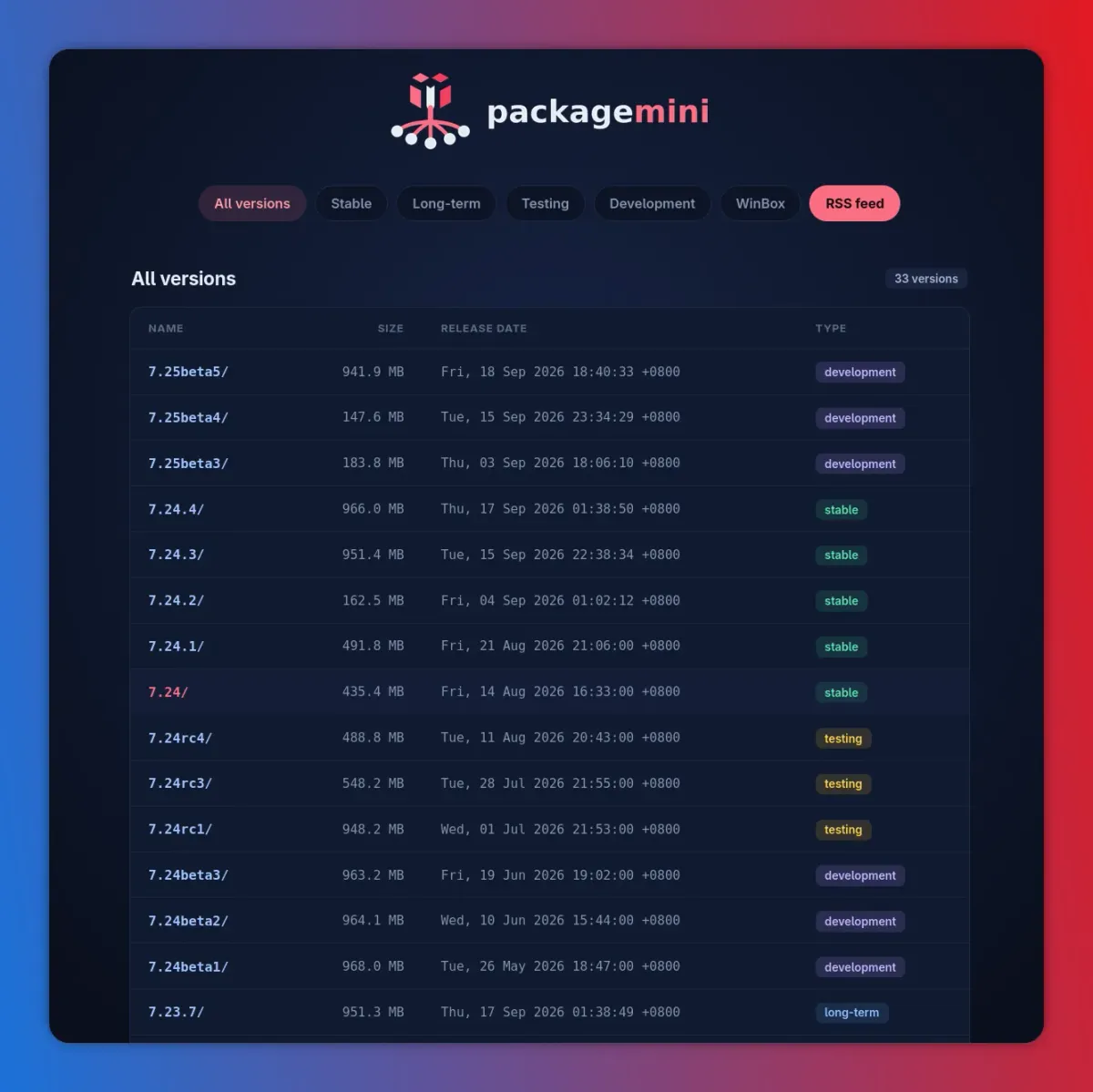
After a lot of development, testing, and refinement, rosbackup-packagemini v1.0.0 is now stable and ready for production use. 🎉
rosbackup-packagemini is an open-source RouterOS firmware mirror designed for network operators. It provides a straightforward way to maintain a local, verified repository of RouterOS firmware and related tools, particularly in environments where reliable Internet access is limited, restricted, or unavailable entirely.
The project is built around a simple operational principle: if you operate a large fleet of MikroTik devices, you should not have to repeatedly download the same firmware from the Internet.
Instead, packagemini maintains a local repository that can be used by your network infrastructure, deployment systems, and isolated environments.
Built for network operators
Managing RouterOS firmware across a fleet can become surprisingly awkward, particularly when infrastructure is distributed across multiple sites or when some networks cannot directly access the Internet.
packagemini provides a centralized mirror for:
- RouterOS release channels
- Multiple architectures
- RouterOS packages
- Configurable retention policies
- CHR images
- Netinstall
- WinBox
- RouterOS Atom feeds
The result is a predictable local source for the software your infrastructure needs.
What's new in v1.0.0
Version 1.0.0 brings the project to a production-ready release with a focus on reliability, security, and operational simplicity.
Atomic and resumable downloads
Downloads are designed to be atomic, verified, and resumable, reducing the risk of ending up with incomplete or corrupted firmware files.
Large repositories can also be populated using parallel fetching, making initial synchronization and updates considerably faster.
Automated performance tuning
packagemini can automatically tune the host and Caddy configuration for its workload, reducing the amount of manual system administration required to get a mirror running efficiently.
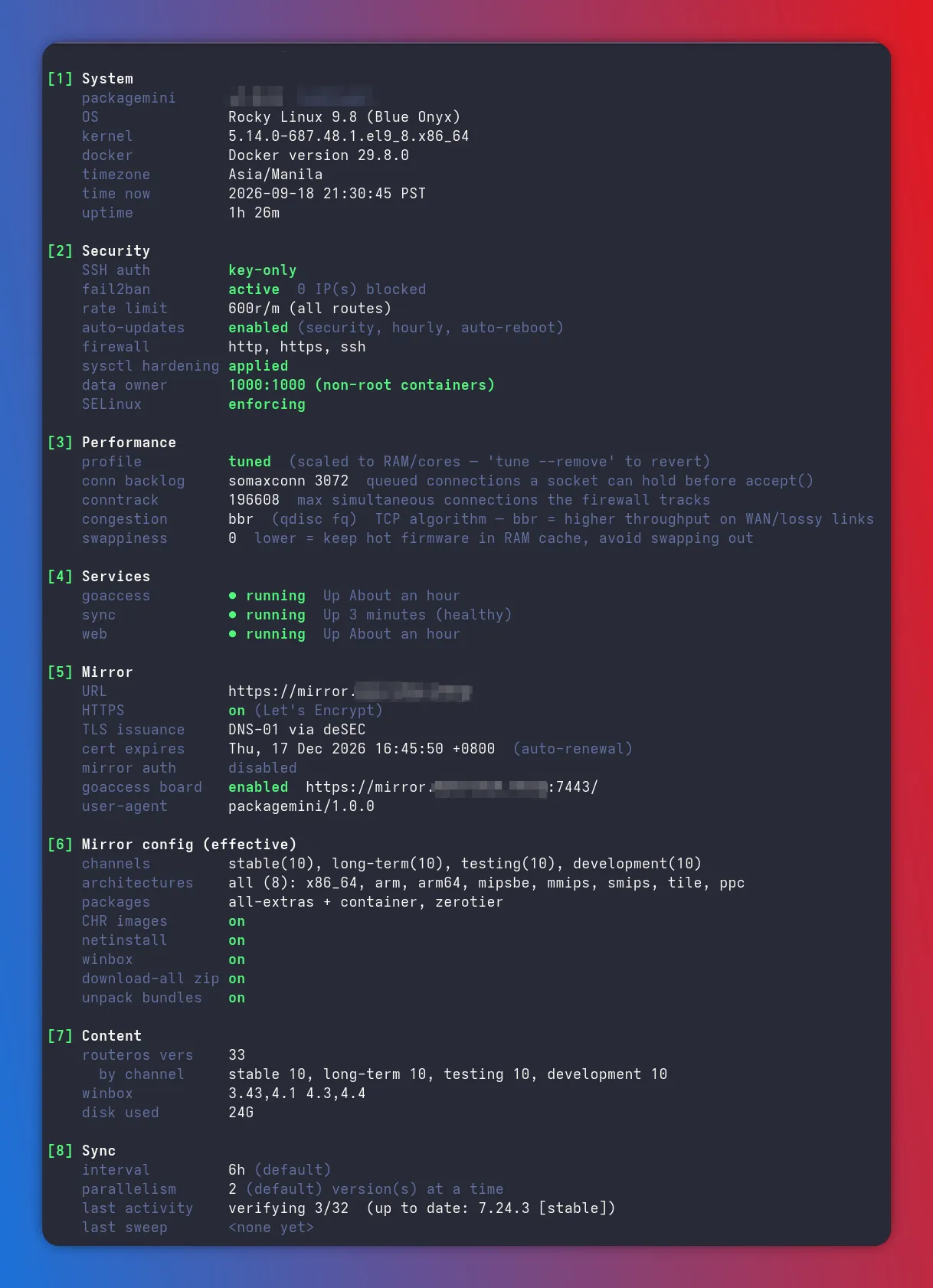
deploy.sh status command, providing a consolidated overview of the packagemini installation, including system and security configuration, performance tuning, service status, mirror configuration, synchronized content, and current synchronization state.Integrated HTTPS
The deployment includes an integrated reverse proxy using Caddy, with automated Let's Encrypt certificates through DNS-01 validation.
This makes it possible to deploy a properly secured HTTPS mirror without having to assemble and maintain a separate reverse-proxy stack.
Designed for restricted and air-gapped environments
Internet access is only assumed.
packagemini can be deployed in environments where systems are isolated from the public Internet, allowing RouterOS firmware and related tooling to be synchronized externally and subsequently made available through a local repository.
This makes it suitable for everything from restricted operational networks to genuinely air-gapped infrastructure.
Simple deployment and maintenance
The entire deployment is centered around a single deploy.sh workflow.
Installation, updates, verification, maintenance, and configuration are handled through the deployment tooling rather than requiring a collection of manual steps.https://blog.jdneer.com/p/ff8651b2-9a09-4fe3-a4c0-f009e6c89be8/
Updates are performed in place and with version safety in mind, allowing existing installations to be upgraded without rebuilding the entire environment.
Operational visibility
packagemini also includes built-in operational features for environments where knowing what the mirror is doing is just as important as having the files available.
This includes:
- Access logging
- Monitoring
- Reporting
- Repository status information
- Download and synchronization visibility
The deployment also uses non-root containers and performs automated host hardening as part of the installation process.
Production ready
With v1.0.0, packagemini moves beyond the experimental stage and becomes a stable tool for production network operations.
Whether you're maintaining a large MikroTik fleet, operating infrastructure with limited Internet connectivity, or need a controlled local repository for isolated environments, packagemini provides a simple way to keep RouterOS software available where you need it.
Built with rosbackup-ng in mind
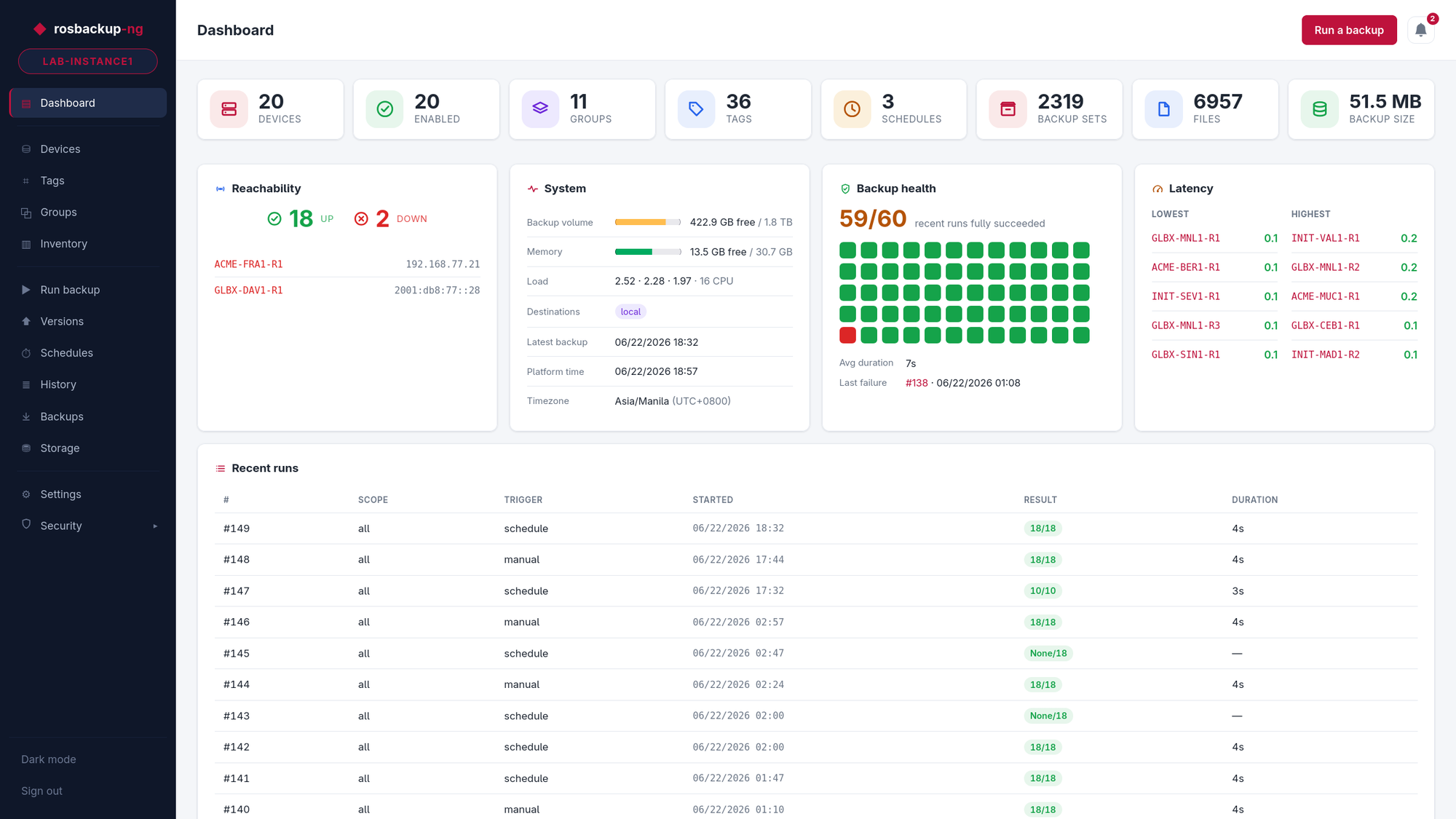
packagemini is already integrated with rosbackup-ng, bringing local RouterOS firmware distribution together with device backup, restore, and firmware management. While rosbackup-ng itself has not been released yet, the integration is already in place, allowing the two projects to work together as part of a broader RouterOS fleet management workflow.
Keep an eye on https://git.jdneer.com/jd/rosbackup-ng for when the repository returns from heavy development. More details on rosbackup-ng will be coming soon.
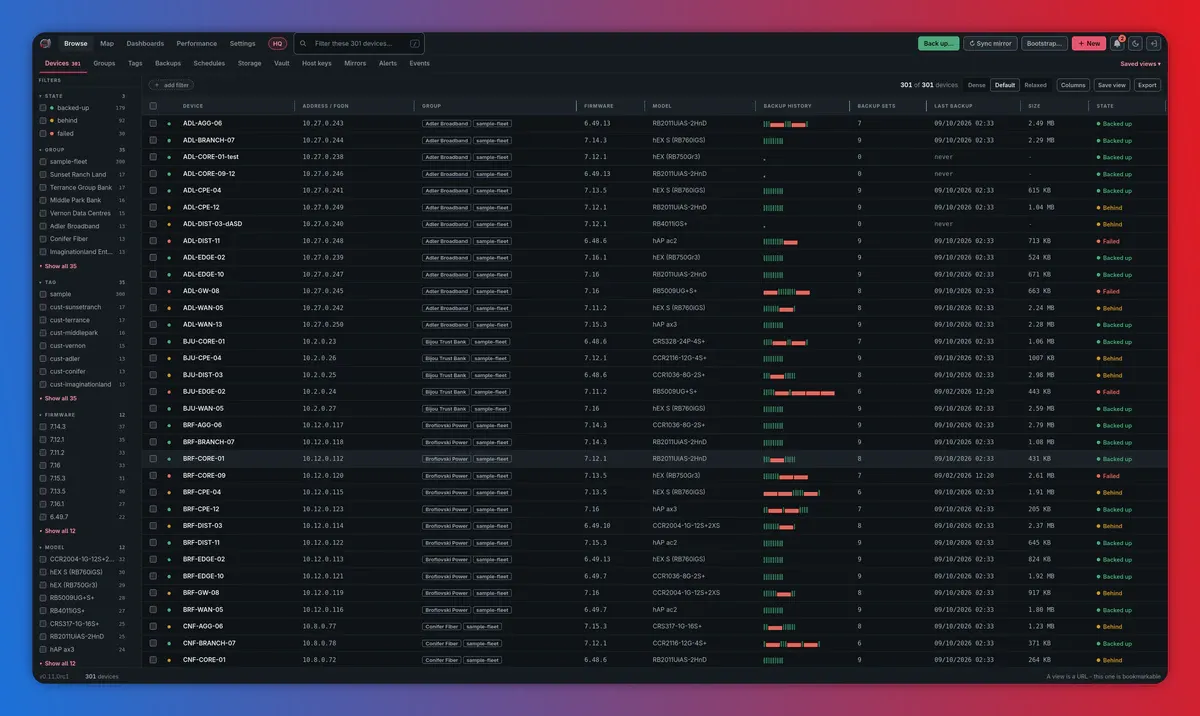
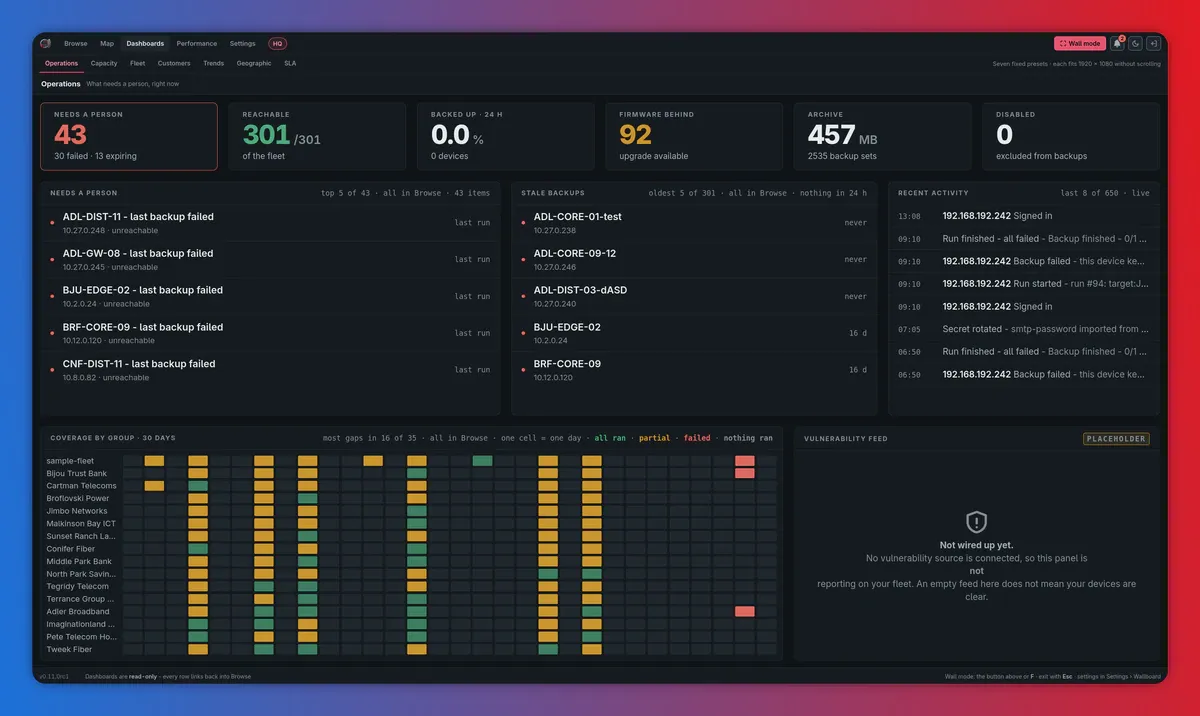
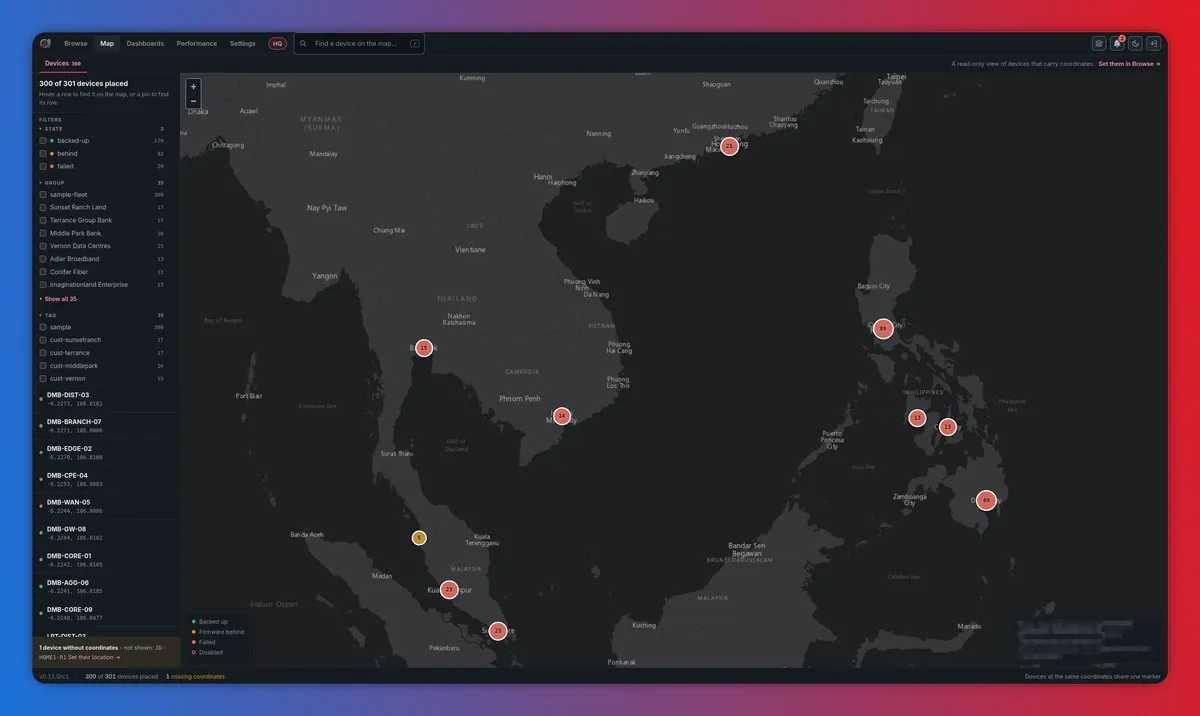
Teaser of rosbackup-ng v0.11.0rc1 currently in development, featuring remote backup, restore, upgrade, downgrade and package management.
Get packagemini
The project is open source and available on the ProNetivity Git server:
👉 git.jdneer.com/jd/rosbackup-packagemini
If you're operating MikroTik infrastructure and have a use case for a local RouterOS mirror, give it a spin and let me know how it works for you.
Need help?
Have a question, found a problem, or need help with this project? Please reach out via support@jdneer.com and I'll be happy to help.