UPS Opens $80M Clark Hub as Central Luzon Builds a Logistics Corridor
UPS opened a new $80M+ hub at Clark International Airport, 15 times larger than the old one, built to handle 46,000 packages a day and adding nearly 600 jobs. Here's what it means for Central Luzon's push to become a logistics corridor.
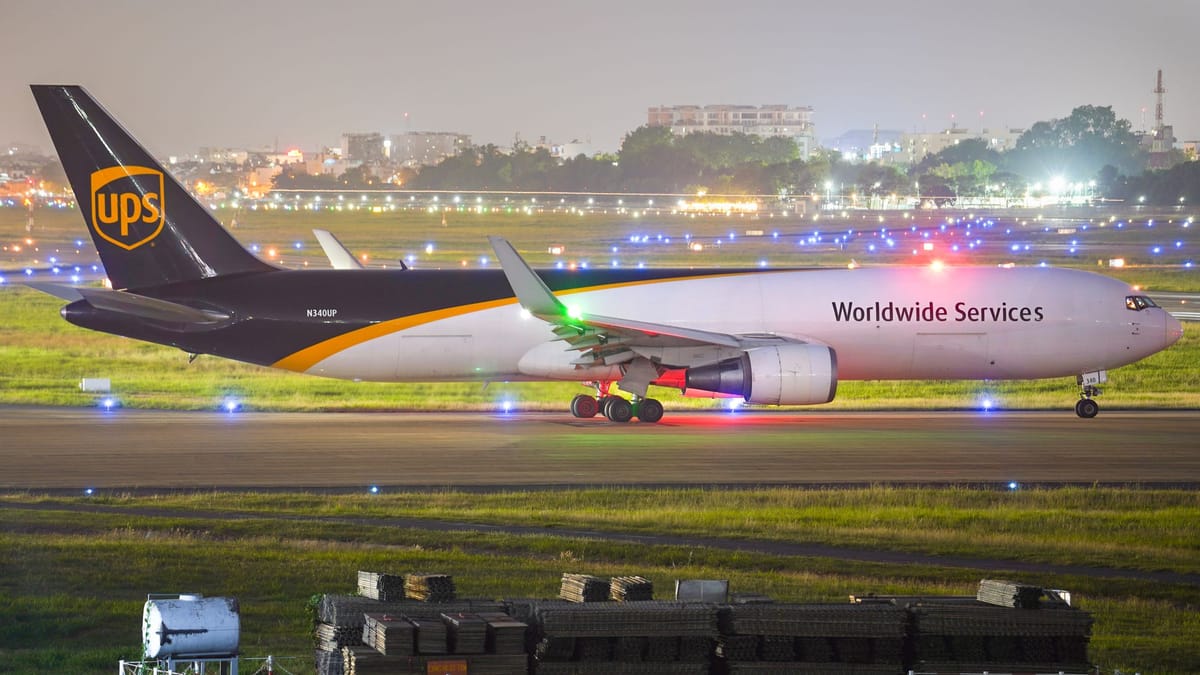
UPS opened its new hub at Clark International Airport in Pampanga on October 15, and President Ferdinand Marcos Jr. was there to lead the inauguration. In its press release, UPS calls it an investment of more than $80 million that improves service on more than 1,100 trade lanes around the world. For anyone watching Central Luzon, it is also one more piece of a bigger picture: Clark slowly turning into a serious logistics address.
The hub by the numbers
According to UPS, the new facility covers 30,000 square meters (323,000 square feet) and is 15 times larger than the hub it replaces. Average daily volume rises to 46,000 packages, and maximum processing capacity reaches 15,000 packages per hour. UPS now runs 170 flight segments into and out of Clark every week, reaching Asia Pacific, India, Europe and the United States in as little as one business day. The company says the hub has created nearly 600 jobs.
That daily volume is where the "ninefold" figure in early coverage comes from. In his speech at the opening, the President said the new hub is expected to handle around 46,000 packages and shipments a day, "over nine times the estimated volume handled by the current UPS hub." LogisticsNews.ph, which toured the site before the opening, reported that the nearly 600 new jobs come on top of an existing workforce of 1,600.
UPS lists the service gains as up to two days faster delivery to and from eastern China and other major Asia Pacific markets, up to two days faster service between several Southeast Asian markets and India, and later pickup cutoffs and earlier deliveries in cities across the region (UPS).
Built for medicine and high-value cargo
A good share of the new space is about keeping sensitive shipments safe. UPS says the hub has three refrigeration and freezer units ranging from -20 to 25 degrees Celsius, dedicated re-icing, and UPS Premier RFID tracking for critical healthcare shipments. An automated sorting system handles up to 9,000 small packages per hour, and the ramp runs on electric ground equipment such as cargo tractors, loaders and forklifts (UPS). The President's speech added that the hub has 17 electric ground service vehicles and equipment units, with nine more due next year, plus dedicated immigration and customs lanes to speed up clearance.
"When we opened our first Clark hub in 2002, we always had growth in mind, for our customers, our people and the local community," said Russell Reed, managing director of UPS Philippines, in the release.
Why logistics costs are the real story
The President framed the opening around a problem every Filipino business knows well. "Our logistics costs account for up to 27 percent against sales, one of the highest in Southeast Asia," he said, pointing to congested ports, weak road networks and too few cold chain facilities (PCO). He also said he has directed the Bases Conversion and Development Authority and the Department of Trade and Industry to report every unfinished Clark investment along with its opening date (Context.ph).
Clark, Subic and the rail links that tie them together
The UPS hub lands in a region where several bigger projects are meant to meet. The North-South Commuter Railway is a 147-kilometer line with 35 stations that will link Clark International Airport with Calamba in Laguna. The Department of Transportation says the underground Clark Airport station was 73.29 percent complete as of September (Inquirer). The first segment, Valenzuela to Malolos, is targeted to open by the end of 2027, with Malolos to Clark following in late 2028 or early 2029 and full Clark to Calamba service in the third quarter of 2033 (BusinessMirror, Manila Times). Officials have also talked about airport express trains connecting Clark to Makati nonstop in about 55 minutes, which is still a target rather than a timetable (Inquirer).
For freight, the project to watch is the Subic-Clark-Manila-Batangas Railway. The BCDA describes it as a 250-kilometer freight line linking the Port of Subic, Clark International Airport, the Port of Manila and the Port of Batangas, ports it says handle about 80 percent of the country's port traffic, and calls it an integral part of the Luzon Economic Corridor (BCDA). It is still early. The feasibility study is targeted for completion between late 2027 and early 2028, and there is no construction timeline yet (PortCalls Asia). The President mentioned it at the UPS opening as a proposed line that "aims to link major ports of Subic, Manila, and Batangas through an integrated freight network" (PCO).
Put together, the pieces are easy to see: an airport with a growing cargo operator, a seaport at Subic, and two rail projects that could connect them to Metro Manila and Batangas. Whether Central Luzon really becomes a logistics corridor depends on those rail timelines holding. For now, the UPS hub is the part that is already open, on schedule, and moving packages.